

A Personal Journal of Grace and Discipleship
“I have been crucified with Christ and I no longer live, but Christ lives in me. The life I now live in the body, I live by faith in the Son of God,who loved me and gave himself for me.” - Galatians 2:20

From the blog
The Exchanged Life: Finding Freedom and Wholeness Through Spirituotherapy
In a world filled with competing counseling models, it’s not uncommon to find contrasting views on what “biblical” or “Christian” counseling truly means. Searching for answers can feel overwhelming, and the terms alone—“biblical counseling” versus “Christian counseling”—can spark endless debates on how, or whether, secular counseling methodologies fit within a Christian framework.

Hidden Joy, Open Reward
Today’s reading from Witness Lee invites me to live from the Father’s hidden life rather than my natural desire to be noticed. Jesus points to giving that is quiet, unseen, and free from display. The world measures generosity by applause and totals, yet the Father smiles on what is done in secret. Lee highlights that this cannot be produced by our natural life. It flows from the divine life within, a life that does not crave a spotlight.

Love That Builds
T. Austin-Sparks draws our attention to a truth that can be easy to overlook. Jesus said that the defining mark of His disciples is not deep knowledge or flawless doctrine, but love for one another. Sparks reminds us that love is the governing matter with the Lord. Truth and understanding are precious, but without love, they cannot build up the body of Christ. Love, on the other hand, has the power to restore, unite, and give rest.

Pointing to Jesus Alone
E. Stanley Jones warns against a subtle danger that can creep into ministry and Christian life: drawing attention to ourselves rather than to Jesus. Paul’s words in Philippians 1:26 remind us that his whole purpose was that others would have ample cause to glory in Jesus Christ because of him. Paul lived not for his own recognition, but for Christ to be magnified through his life. This devotional presses us to examine whether our words and actions highlight ourselves or direct people to the Savior.

Victory that Keeps Us Humble
This devotional reminds us that trusting Jesus for daily victory can bring with it a subtle temptation. As Charles G. Trumbull points out, once we discover the secret of victory, we may be surrounded by fellow believers who have not yet seen or experienced it. In that moment, the peril of pride can creep in. We may be tempted to look down on others, to speak a critical word, or to act as if we are somehow better. Yet the truth is clear: our victory is not ours at all, but His.
Clearing the Stones of Isolation
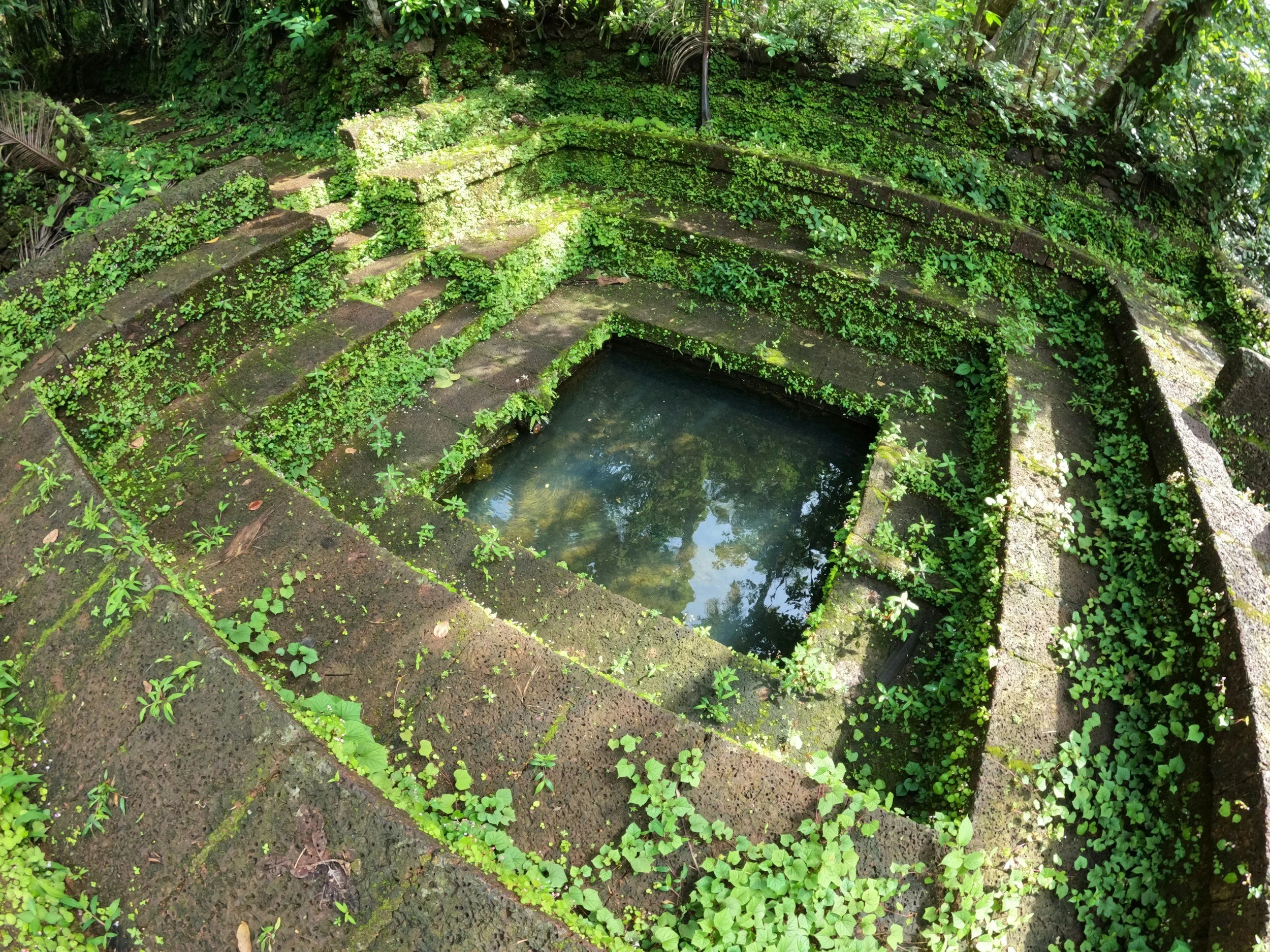
T. Austin-Sparks invites us to look honestly at what often clogs the flow of Jesus’ life within us. He points to the subtle ways the enemy introduces self-love, worldliness, or even hurt feelings to block the Spirit’s free course. Many times the issue is not an obvious sin but something quieter, such as unkind thoughts toward fellow believers, resentment, or even timid withdrawal. These hindrances may seem small, yet they weigh heavily, like stones dropped into a well. They obstruct the fellowship through which the Spirit delights to work.

Babylon Will Not Have The Last Word
Ray Stedman walks us through Jeremiah 50 and 51, where God declares the fall of Babylon. He explains that Babylon is more than an ancient city. Throughout Scripture it becomes a picture of organized opposition to God, especially where religious power is used to gain fame, status, and control. Stedman helps us see that whenever human pride builds towers to reach the heavens, the Lord brings those towers down. I am grateful for Stedman’s steady voice here, pointing us away from fear and back to the simple confidence that Jesus overcomes the world.

Calm Hearts On The Verge Of Battle
Israel stood on the edge of the Promised Land with real enemies ahead. Bob Hoekstra draws our eyes to Moses’ pastoral word in Deuteronomy 20. The people would see horses, chariots, and crowds that outnumbered them. Their hearts would want to race. Moses did not call them to match the enemy’s strength. He pointed them to the Lord who went with them, to fight for them, to save them.

Steady In The Everlasting Way
A. B. Simpson points us to the quiet difference between a life that wins sometimes and a life that walks in steady victory. On the surface the two may look alike. Both have bright moments. Both know seasons of triumph. Yet Simpson reminds us that the small gap between occasional faith and constant trust is wide. One is rooted in human effort that rises and falls. The other draws on the faithful life of Jesus within, producing a durable constancy that holds when pressures rise.

Power Perfected In My Empty Hands
We often imagine that God is testing us to see if we will pass or fail. Miles Stanford gently reframes this. Our Father is not grading our worth. He is growing our trust. Over time He makes us honestly aware of our utter inability so that we may rest in His total sufficiency. What looks like weakness to the world becomes the doorway where the life of Jesus flows.

Loved Into Holiness
God’s fatherly discipline is not a sign that we are cast off. Witness Lee helps us see that it is a loving confirmation that we belong to the family. Hebrews 12 says the Father of spirits disciplines His sons and daughters for our good so that we may share His holiness. The hand that corrects is the same hand that embraces. When He trains us, He is not lowering our worth. He is drawing us more deeply into the life of Jesus that already dwells within us.

Joy That Holds In Any Weather
Oswald Chambers points us to the kind of joy Jesus promised. It is not a mood swing or a lucky break. Jesus speaks of a joy that is His own, the joy of glad surrender to the Father, the joy of saying yes to the mission for which He came. Chambers reminds us that this joy is not found by managing outcomes, but by living in union with the One who did only what pleased the Father.
Freedom in the Midst of Chains
E. Stanley Jones points us to a truth that runs opposite of what we would expect. Paul’s imprisonment, rather than discouraging the early believers, actually gave them more confidence to speak the Word of God with boldness. Our usual way of thinking would assume that release and freedom from suffering would strengthen faith, but here the opposite happened. The very chains that bound Paul became the instrument God used to inspire courage in others.

Quiet Strength in His Presence
Today’s devotional from Nick Harrison draws us into a lesson that runs against the noise of the world. Both François Fénelon and Hannah Whitall Smith remind us that strength does not come from restless activity or constant effort. It comes instead from quiet trust, stillness, and the life of abiding in Jesus. The verse from John 8:28 anchors us: Jesus Himself only spoke what the Father taught Him. He did nothing independently, but lived fully dependent upon His Father’s presence.

Christ Alone, God’s Final Word
T. Austin-Sparks reminds us that in Jesus, the fullness of God has already come near. There is nothing more to be added. God’s final and complete word is His Son, and He will not speak through another. This truth is both a comfort and a warning. Comfort, because in Jesus we have all the resources of heaven at our disposal. Warning, because if we ignore the Son, there is no other message left. Sparks urges us to see that the gospel is not a philosophy or a teaching, but an encounter with the living God Himself.

The Hidden Chains of Worldliness
Ray Stedman takes us into Jeremiah 46, where the prophet describes Egypt’s defeat at Carchemish. Though the battle was historical, its imagery continues to speak. Egypt, in Scripture, often symbolizes the world system that draws God’s people back toward bondage. Israel longed for the food and comforts of Egypt even after God freed them, just as we sometimes crave what enslaves us. Egypt becomes more than geography. It represents a mindset: living for pleasure, for comfort, for self rather than for the glory of God.

All The Way Into The Land
Israel’s story teaches more than rescue from bondage. It pictures a God who brings His people out, then brings them in. Bob Hoekstra traces Joshua and Caleb’s confidence in the Lord and shows how humble faith enters the fullness that grace provides. Their generation left Egypt, yet most never stepped into the good land. Two believed God in the face of giants, and they tasted what He had already promised.

The Joy That Follows Obedience
Obedience is not a grim duty that squeezes joy out of life. A. B. Simpson points us to a very different way. Jesus says that if we know what He has shown us and do it, we will be blessed. This is not a bargain we strike with God. It is the fruit of trusting union with Jesus, where His life becomes our life and His desires shape our steps. Simpson reminds us that surrender is not loss. It is release. When we let go of our clenched preferences and say yes to the Lord, we discover a deeper rest than we knew to ask for.

Rejoice In Relationship, Not Results
The disciples returned from their first mission thrilled about what had happened through them. Jesus gently redirected their joy to something deeper, that their names are written in heaven. Oswald Chambers helps us see the wisdom in that correction. Results are not the center. Relationship is. When we root our joy in outcomes, our hearts ride a roller coaster. When we rest our joy in Jesus, who knows us and has made us His own, our center holds steady.

Quiet Gifts, Bright Glory
Jesus invites kingdom people to live from the Father’s hidden life. Witness Lee points us to Matthew 6, where giving is not a performance but a quiet overflow of divine life. The world advertises generosity to be seen. The child of the Father gives because the Father’s life is generous. The difference is not the size of the gift, it is the source and the motive.

Running the Race While Resting in Jesus
In a recent comment on one of our YouTube videos, someone asked whether my emphasis on resting in Jesus to fulfill God’s righteous requirements—through a believer who yields and obeys Him—contradicts Paul’s call to self‑discipline in 1 Corinthians 9:24‑27. They pointed to Paul’s words about running to win a race and disciplining his body. Does resting in Jesus’ finished work mean we should neglect self‑control? Let’s look closely at Paul’s imagery and the bigger story of grace.
