

A Personal Journal of Grace and Discipleship
“I have been crucified with Christ and I no longer live, but Christ lives in me. The life I now live in the body, I live by faith in the Son of God,who loved me and gave himself for me.” - Galatians 2:20

From the blog
The Exchanged Life: Finding Freedom and Wholeness Through Spirituotherapy
In a world filled with competing counseling models, it’s not uncommon to find contrasting views on what “biblical” or “Christian” counseling truly means. Searching for answers can feel overwhelming, and the terms alone—“biblical counseling” versus “Christian counseling”—can spark endless debates on how, or whether, secular counseling methodologies fit within a Christian framework.

Grace for Every Step: Justified and Sanctified
"I will forgive their iniquity, and their sin I will remember no more"…For by grace you have been saved through faith, and that not of yourselves; it is the gift of God, not of works, lest anyone should boast.
— Jeremiah 31:34; Ephesians 2:8-9
Grace is the thread that weaves the tapestry of our lives in Christ. It was grace that met us at the moment of salvation, forgiving our sins and declaring us righteous before a holy God. And it is grace that continues to work within us each day, shaping us to reflect Christ’s image as we walk in sanctification.

Partakers of Comfort: The Furnace of Refinement
"If, when you do well and suffer for it, you take it patiently, this is acceptable with God."
—1 Peter 2:20
Suffering often feels like a trial to escape, but for believers, it serves as a tool in the hands of a loving God. Through suffering, we are drawn into deeper need, and through that need, we discover God’s matchless comfort. The promise of 2 Corinthians 1:7 assures us that as we share in suffering, we also share in the abundant consolation He provides.
Imagine a goldsmith at work. Gold, precious as it is, does not shine in its raw state. It must first be placed in the furnace, where intense heat melts it and burns away impurities. The goldsmith watches the process intently, ensuring the temperature refines but does not destroy. Only when the gold reflects the goldsmith’s image does the refining process end.

The Wisdom of God: Revealed by the Spirit
In a culture captivated by the power of presentation and the allure of intellect, Paul’s approach to sharing the gospel was strikingly different. Rather than impressing the Corinthians with polished rhetoric or philosophical arguments, Paul depended entirely on the power of the Holy Spirit to proclaim Christ crucified. This intentional simplicity ensured that the focus remained on God’s wisdom and not on human ability.
Paul’s message reminds us that the wisdom of God defies the expectations of the world. The rulers and influencers of Paul’s time failed to recognize it because God’s wisdom is not found through human intellect or ambition but is revealed by His Spirit to those who belong to Him.

Living as God’s Image-Bearers
In Mark 12, Jesus navigates a series of challenges designed to trap Him in His words. Each interaction reveals profound truths about God’s kingdom, human responsibility, and the impending culmination of Jesus’ mission. Let’s explore a central theme in this chapter: living as God’s image-bearers, marked by our devotion to Him and love for others.

Crying Out to the King Who Hears
The story of Abijah’s battle against Jeroboam is a striking picture of how humility and reliance on God can turn the tide, even when the odds seem impossible. Abijah, an imperfect and flawed king, stood before an army twice the size of his own and cried out to the Lord, trusting in His covenantal promises. The result? God answered, giving Judah victory in the face of overwhelming opposition.

Bearing the Weight of Generations
“Our fathers sinned, and are no more; and we bear their iniquities.”
—Lamentations 5:7
The lament of Lamentations 5 carries a heavy sorrow—a sorrow not only for the sins of the present but also for the inherited weight of past generations. The prayer recounts devastation after devastation: loss of inheritance, hunger, enslavement, violence, and the haunting image of Zion, once the sanctuary of God, now abandoned to jackals. This sorrow-filled chapter is both a cry for mercy and a solemn reminder of the lasting consequences of sin.

Job’s Trial and the Unseen Witness
"Shall we accept good from God, and not trouble?"
— Job 2:10
The story of Job’s suffering unfolds like a storm cloud darkening the horizon. In the heavenly court, Satan again challenges Job’s integrity, insisting that if Job’s own body is afflicted, his faith will crumble. God, confident in Job’s sincerity, allows Satan to strike Job with a terrible illness. Job’s response, though anguished, is stunning in its simplicity: he continues to honor God, even as he sits in ashes, scraping his painful sores.

Savior and Lord: The Journey of Grace in a Believer’s Life
One of the most debated topics in Christian theology is the relationship between Jesus as Savior and Jesus as Lord in the life of a believer. The discussion often centers on the concept of Lordship Salvation, which teaches that one must fully submit to the Lordship of Christ at the moment of salvation. While this perspective seeks to emphasize the seriousness of following Christ, it can inadvertently blur the grace-centered nature of salvation, making it seem conditional upon human effort.

Unequally Yoked: Living in Union with Christ
The concept of being "unequally yoked" comes from 2 Corinthians 6:14–18, where Paul warns believers not to form deep, binding relationships with those who do not share their faith. While often applied to marriage, this teaching has broader implications for all areas of life.
When viewed through a Christ-centered, grace-oriented lens, this passage is not about imposing restrictions but about living in the freedom and sufficiency of Christ’s life within us. It invites us to trust the Holy Spirit to guide our relationships and decisions rather than relying on rigid rules or self-effort.

Is Christianity Rational? A Journey from Foolishness to Faith
Christian apologists often assert that Christianity is a rational faith. On the surface, this claim makes sense—Christianity offers coherent answers to life’s deepest questions: Who are we? Why is the world broken? What is our purpose? Yet, as Paul writes in 1 Corinthians 1:18, “The message of the cross is foolishness to those who are perishing.” For many, Christianity seems anything but rational.
Jesus Himself warned that following Him could lead to division, even within families (Matthew 10:34–36). His own family thought He was out of His mind (Mark 3:21). And for years, as an atheist, I shared a similar sentiment—Christianity seemed irrational, even absurd. But then something changed.
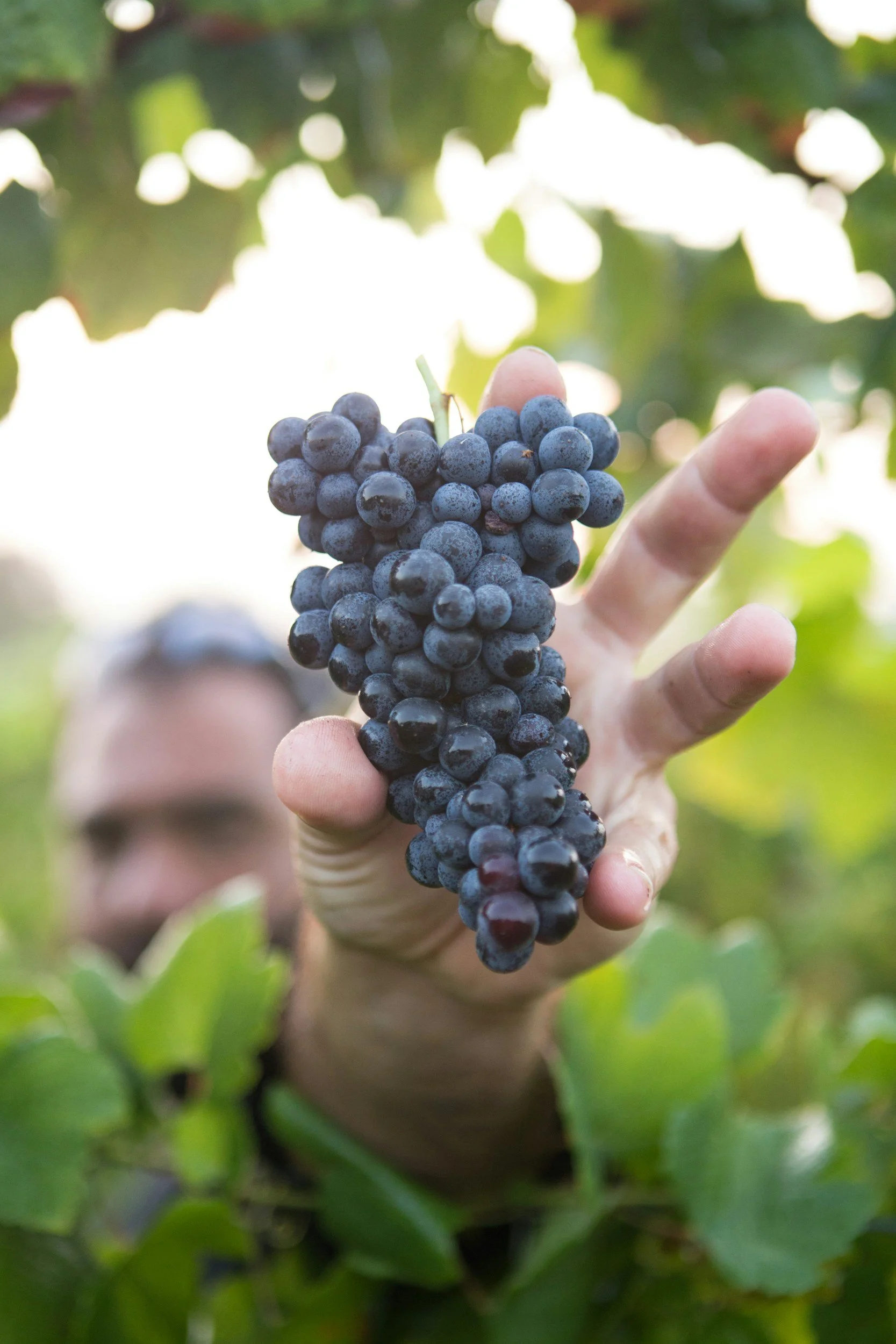
The Pruning of the Vinedresser
"I am the true vine, and My Father is the vinedresser… every branch that bears fruit He prunes, that it may bear more fruit."
— John 15:1-2
Pruning is not pleasant, but it is purposeful. The Father, as the skilled vinedresser, cuts away what hinders fruitfulness. At first glance, it seems counterintuitive—why cut a flourishing branch? Yet, it’s through this pruning that a vine is prepared to bear even more abundant fruit.
Imagine a sculptor working on a marble block. Each chisel strike seems harsh and unnecessary, but the artist has a vision—one that requires removing every piece of stone that doesn’t align with the masterpiece within. In the same way, God lovingly removes from our lives what inhibits His life from fully expressing itself through us.

Why Does Suffering Exist? A Response to Atheism
One of the most challenging questions posed to believers is, “If God is good, why does He allow suffering?” It’s a question that resonates deeply, especially when we face pain, loss, or hardship. Scripture does not shy away from the reality of suffering, and it offers a perspective that is both deeply personal and profoundly hopeful.

The Purpose of Disabilities: Displaying God’s Glory
"As he went along, he saw a man blind from birth. His disciples asked him, 'Rabbi, who sinned, this man or his parents, that he was born blind?' 'Neither this man nor his parents sinned,' said Jesus, 'but this happened so that the works of God might be displayed in him.'"
— John 9:1–3
When we encounter suffering, it’s natural to ask, Why? The disciples' question about the blind man reflects a common assumption: that suffering is always tied to sin. Yet Jesus’ response redirects the focus. The man’s blindness wasn’t the result of his sin or his parents’ sin. It was an opportunity for God’s work to be displayed.
This truth challenges us to see hardships, not as evidence of punishment, but as a canvas for God’s glory.

Holding Fast While Moving Forward
"but test all things. Hold fast to what is good." — 1 Thessalonians 5:21 BSB
A. B. Simpson, in Days of Heaven, reminds us that our spiritual journey is not about perpetually starting over but building upon the truths God has already revealed to us. Imagine a gardener planting a tree. The gardener doesn’t uproot the tree every season to reexamine the soil but instead nurtures it, trusting the foundation while remaining attentive to its growth.

Leave Room for God: The Expectant Life
"But when it pleased God..."
— Galatians 1:15
Imagine you are setting the table for an important dinner guest. The table is carefully arranged, every dish chosen to perfection, the seating chart meticulously planned. But then, unexpectedly, your guest arrives with their own additions—a basket of bread, a dish of olives, and a jug of wine. Suddenly, your plans feel a bit out of place. You hadn’t prepared for this, and yet their contribution transforms the meal into something far richer than you had planned.

The Cup of the New Covenant: A Spiritual Feast
"This cup is the new covenant in My blood, which is shed for you." — Luke 22:20
"Knowing that you were not redeemed with corruptible things, like silver or gold…but with the precious blood of Christ, as of a lamb without blemish and without spot." — 1 Peter 1:18-19
When we come to the Lord’s Supper, we are reminded of the immeasurable riches found in the new covenant—a covenant sealed not by earthly treasures like silver or gold but by the precious blood of Christ. This is no mere symbol or ritual; it is a reality of abundant grace that transforms the life of every believer.

Author of Peace: Resting in God’s Finished Work
"For God is not the author of confusion, but of peace."
— 1 Corinthians 14:33
When we enter into life with Christ, it’s as if we’ve been invited into a grand orchestra. Before this, our lives resembled a chaotic symphony of discordant notes—each instrument playing its own tune, every section out of sync. But God, the Master Conductor, doesn’t leave us floundering in confusion. He steps onto the podium and gently brings the scattered pieces of our lives into harmony, creating a melody of peace.

God’s Foolishness is Wiser Than Our Wisdom
The world has always sought greatness in power, intelligence, and status. Kings and philosophers, the influential and the highborn—these are the ones society celebrates. Yet, Paul writes that God deliberately chose what the world considers weak and foolish to reveal His wisdom and power. A crucified Messiah, despised and rejected by men, embodies God’s greatest triumph: the redemption of humanity.
The Corinthians, divided over allegiance to different teachers, needed to be reminded that their identity was not found in the wisdom of men but in the foolishness of the cross. This “foolishness” was, in fact, God’s ultimate wisdom, for through the humiliation of the cross, Christ defeated sin and death.
Maturing in Purity and Unity: Lessons from Corinth
“To the church of God that is in Corinth, to those sanctified in Christ Jesus, called to be saints together with all those who in every place call upon the name of our Lord Jesus Christ, both their Lord and ours.” —1 Corinthians 1:2
The city of Corinth, with its rampant immorality, status-obsession, and idolatry, was an unlikely place for a flourishing church. Yet Paul begins his letter by addressing the believers there as "God’s holy people." What a remarkable truth: these believers, struggling in so many ways, were already sanctified in Christ and called to grow into what they were made to be.

Faith, Fruit, and the Unexpected Harvest
The Gospel of Mark immerses us in the final days before Jesus’ crucifixion, where every moment and action carries deep significance. From His triumphal entry into Jerusalem to His cleansing of the temple, Jesus is preparing for the culmination of His mission. One of the most striking scenes in this passage is the cursing of the fig tree—a living parable that invites us to examine our faith, our fruitfulness, and our readiness for God’s coming kingdom.
