

A Personal Journal of Grace and Discipleship
“I have been crucified with Christ and I no longer live, but Christ lives in me. The life I now live in the body, I live by faith in the Son of God,who loved me and gave himself for me.” - Galatians 2:20

From the blog
The Exchanged Life: Finding Freedom and Wholeness Through Spirituotherapy
In a world filled with competing counseling models, it’s not uncommon to find contrasting views on what “biblical” or “Christian” counseling truly means. Searching for answers can feel overwhelming, and the terms alone—“biblical counseling” versus “Christian counseling”—can spark endless debates on how, or whether, secular counseling methodologies fit within a Christian framework.

The Light of the World: Walking Confidently in Christ’s Light
"When Jesus spoke again to the people, he said, 'I am the light of the world. Whoever follows me will never walk in darkness, but will have the light of life.'"
— John 8:12
In the ancient temple courts of Jerusalem, the glow of giant candelabra would pierce the evening darkness during the Feast of Tabernacles, illuminating the space with a warm, comforting light. It was in this radiant context that Jesus declared, “I am the light of the world.” His words were not merely a metaphor but a divine invitation to live in the clarity, warmth, and safety of His light.

The Bride’s Preparation: A Life of Fellowship and Service
"Let us rejoice and be glad and give Him the glory. For the marriage of the Lamb has come, and His bride has made herself ready." — Revelation 19:7 BSB
As we prepare for the return of our Lord, there’s a tendency to turn inward, to focus solely on our own hearts and spiritual state. While introspection has its place, preparation for the marriage of the Lamb is not a retreat into isolation but a call to deeper fellowship with Christ and active engagement in the world He loves.
Imagine a gardener preparing a field for a harvest. The soil must be tilled and fertilized, yet preparation doesn’t stop there. The gardener must also plant, water, and care for the crops daily. In the same way, preparing ourselves as the bride of Christ involves both internal transformation and outward action.

Transformed by Beholding
"And we all, who with unveiled faces contemplate the Lord’s glory, are being transformed into his image with ever-increasing glory, which comes from the Lord, who is the Spirit."
— 2 Corinthians 3:18
A Christian’s life is like a still, clear pond reflecting the majesty of the sky above. When the surface is undisturbed, it mirrors the heavens perfectly. But if the waters are agitated—by distractions, anxieties, or misplaced priorities—the reflection becomes blurred. So it is with us: when our gaze is fixed on Christ, we reflect His character and glory to others.
A Ministry of Grace: Living by God’s Sufficiency
“Not that we are sufficient of ourselves to think of anything as being from ourselves, but our sufficiency is from God, who also made us sufficient as ministers of the new covenant, not of the letter but of the Spirit; for the letter kills, but the Spirit gives life.”
—2 Corinthians 3:5-6
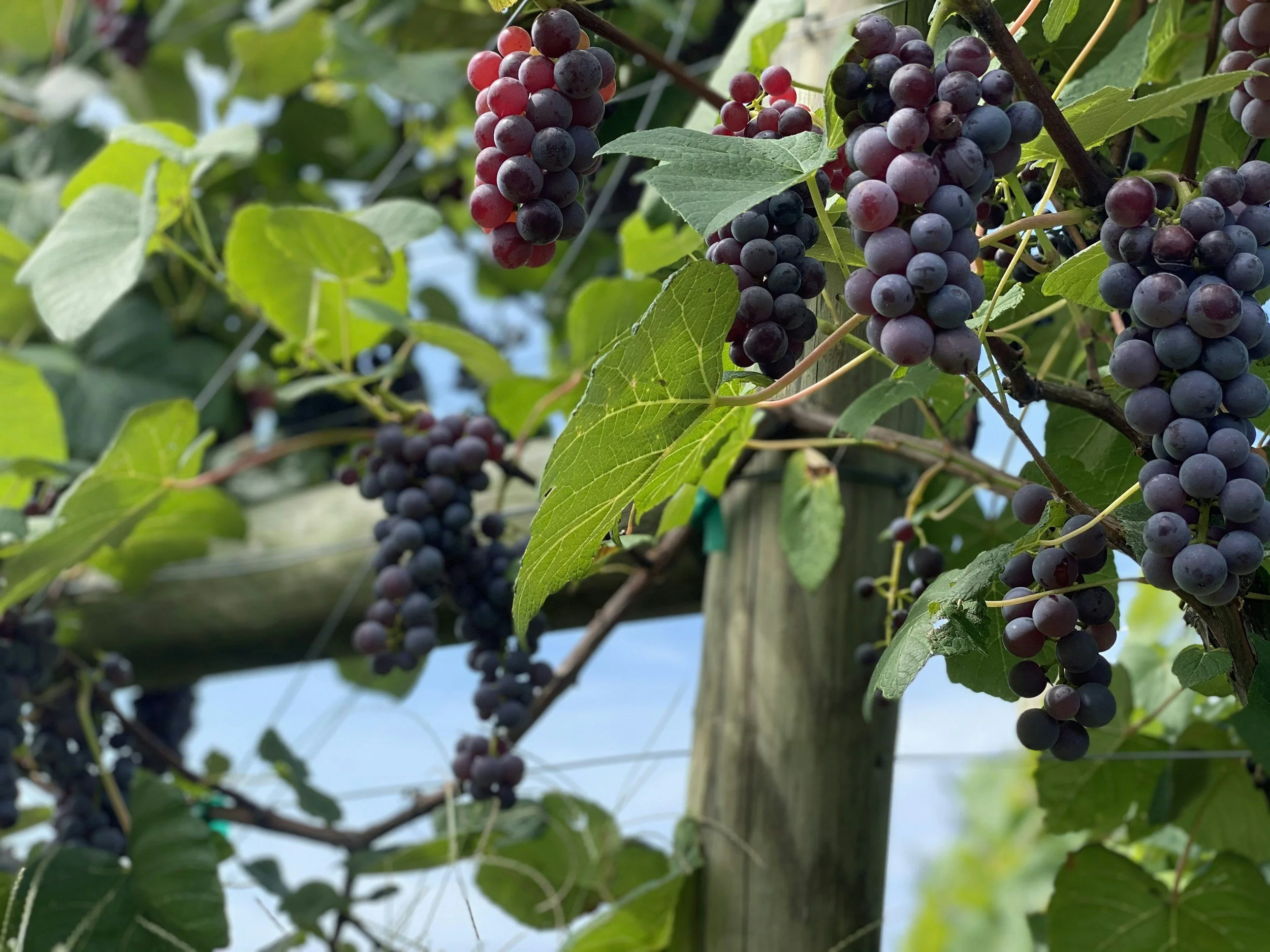
Imagine a vine laden with fruit, its branches thriving because they are deeply connected to the vine itself. Now, imagine a branch detached from that vine, striving to produce fruit on its own. No matter how much it strains, it cannot bear a single cluster because its life, its sufficiency, comes solely from the vine.

Feet First: Sitting Before Serving
"Mary... sat at Jesus’ feet, and heard His word. But Martha was encumbered about much serving."
—Luke 10:39, 40
In our fast-paced world, service often takes precedence over stillness. Like Martha, we rush to do the work we believe God requires, often without first sitting at His feet to receive His Word. Yet Mary’s example teaches us a vital truth: before we can effectively serve, we must first be students of the Master.

Living From Christ, Not For Him
"For in Him all the fullness of Deity dwells in bodily form, and in Him you have been made complete, and He is the head over all rule and authority."
— Colossians 2:9–10
Imagine a grand estate gifted to you—a sprawling property, fully furnished and stocked with everything you could ever need. Yet instead of stepping into the house, you stand at the front gate, continually asking the owner for food, shelter, and rest. How unnecessary—and even insulting—it would be to the one who has already provided all these things in abundance.
This is often how we approach God. We plead for what He has already given in Christ. The Christian life is not about begging for strength, power, or help to live as God desires. It’s about appropriating what is already ours through Christ’s indwelling life.
Living in the Garden of Grace: Stand in Your Freedom
"Stand fast therefore in the liberty by which Christ has made us free, and do not be entangled again with a yoke of bondage."
— Galatians 5:1
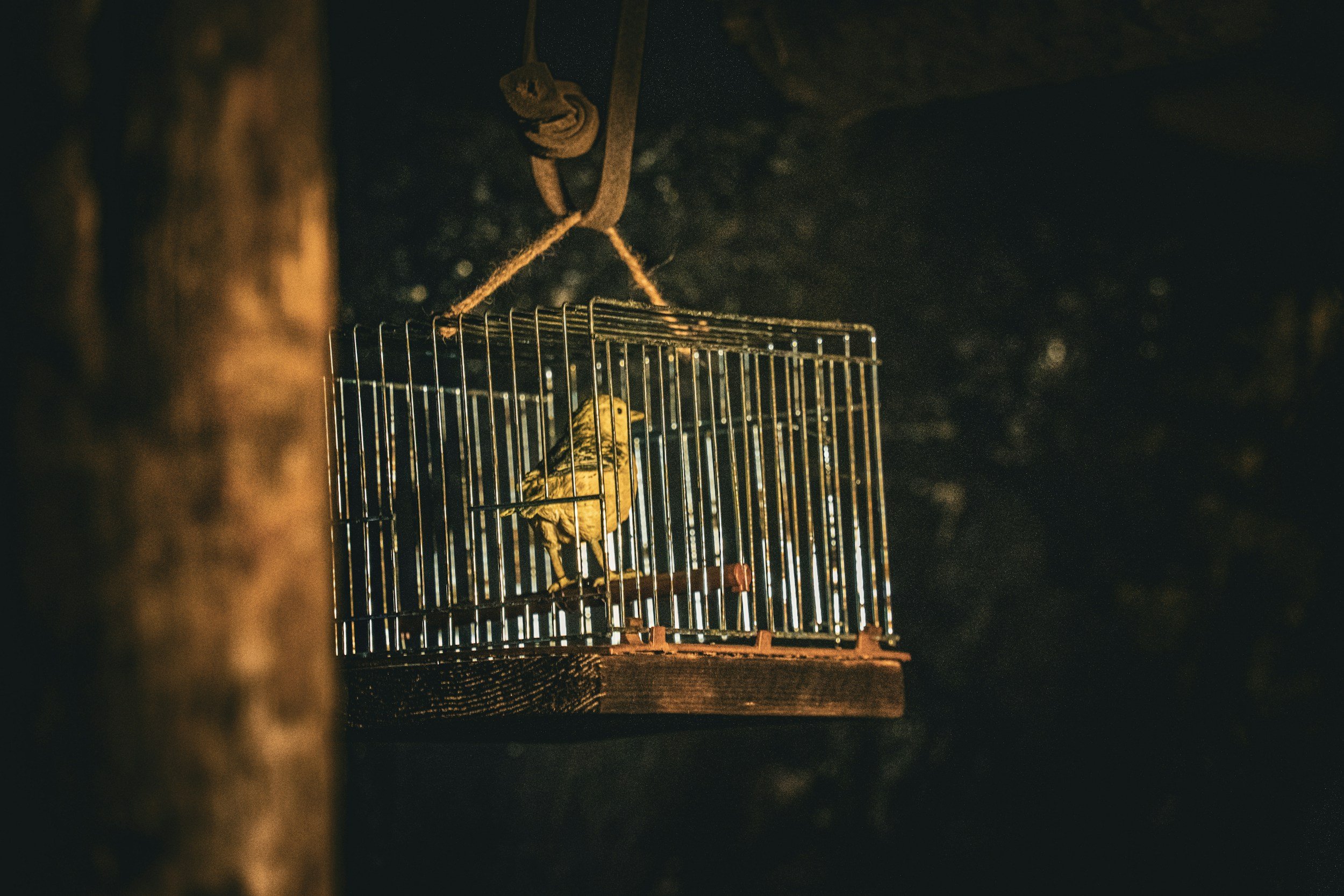
Imagine a bird released from its cage, soaring high into the open sky for the first time. The air is fresh, the space is endless, and freedom beckons with every flap of its wings. Now, imagine that same bird voluntarily returning to the cage, closing the door behind itself, and perching quietly in the corner. This is the picture Paul paints for the Galatians—and for us—when he warns against returning to the “yoke of bondage” after experiencing the freedom Christ has secured.
Freedom in Christ is not merely a concept; it is a reality. We are free from the impossible burden of earning righteousness through self-effort. We no longer need to strive under the weight of rules, rituals, or performance to gain God's approval. Instead, we live by faith in the One who accomplished all on our behalf.
A Foretaste of the Kingdom: Trusting Jesus Through the Journey
Jesus’ journey to Jerusalem is marked by teaching, miracles, and moments of glory, all pointing to the coming kingdom of God. From the transfiguration on the mountaintop to the healing of the boy possessed by a demon, Jesus offers his disciples a glimpse into this kingdom—a kingdom that will only be fully realized through His suffering, death, and resurrection.
Lamentations 2: When the Garden is Laid Waste
"How the Lord has covered Daughter Zion with the cloud of his anger! He has hurled down the splendor of Israel from heaven to earth; he has not remembered his footstool in the day of his anger."
— Lamentations 2:1
The fall of Jerusalem, as described in Lamentations 2, is a sobering reminder of the consequences of rebellion against God. The imagery in this chapter is vivid: Jerusalem, once a flourishing garden tended by the Lord, has been uprooted and laid waste by His righteous anger. The city, which was meant to reflect God's glory, has been brought low because its people turned away from Him and trusted in idols, false prophets, and pagan practices.

The Vineyard of Love: Cultivating Intimacy in Marriage
"Come, my beloved, let us go to the countryside, let us spend the night in the villages. Let us go early to the vineyards to see if the vines have budded, if their blossoms have opened, and if the pomegranates are in bloom—there I will give you my love."
— Song of Solomon 7:11–12
In this tender invitation, the Shulammite woman calls her beloved to retreat from the noise and demands of life for a time of intimacy and renewal. Their love, like a vineyard, requires care and intentional tending. Just as a vine grows stronger and bears more fruit when given attention, so too does the bond between husband and wife flourish when nurtured with shared moments of rest, exploration, and connection.

The Kingdom Divided: A Lesson in Leadership and Redemption
Rehoboam’s first major decision as king carried far-reaching consequences. Faced with the people’s plea to lighten their burdens, he rejected the wisdom of seasoned advisors in favor of the brash counsel of his peers. His harsh response not only alienated the people but led to the division of the kingdom—a tragic fracture in the history of God’s people.
Though Rehoboam’s actions were sinful and foolish, they unfolded within the mysterious sovereignty of God’s plan. The split of the kingdom marked the beginning of decline, but it also foreshadowed the ultimate reconciliation that would come, not through human effort, but through the death and resurrection of the Davidic Messiah, Jesus Christ.

United in Hope: A Family Built on Christ’s Sacrifice
"May the God who gives endurance and encouragement give you the same attitude of mind toward each other that Christ Jesus had, so that with one mind and one voice you may glorify the God and Father of our Lord Jesus Christ." —Romans 15:5–6
Paul paints a vision of unity in the church that’s as challenging as it is beautiful. He exhorts the “strong” to bear with the “weak,” not to please themselves, but to reflect the servant-hearted example of Christ. Jesus didn’t live for His own comfort. Instead, He endured insults and rejection to fulfill God’s promises, reconciling Jew and Gentile alike into one family of faith.

Breaking the Power of Sin: Freedom in Forgiveness
"Then neither do I condemn you," Jesus declared. "Go now and leave your life of sin."
— John 8:11b
Picture a bird trapped in a cage, its wings clipped and its freedom denied. No matter how much it longs to fly, it can only flit from one corner to another. But imagine the cage being opened and the bird’s wings miraculously restored. That bird would be free—not just to leave the cage but to soar into the sky, finally living as it was created to live.
This is the power of forgiveness through Christ. It doesn’t simply absolve us of guilt; it breaks the chains of sin that once bound us. When Jesus told the woman caught in adultery, “Go now and leave your life of sin,” He wasn’t commanding her to achieve the impossible. He was declaring her free, empowered by His forgiveness to live in a way she never could before.

Living Ready for the Bridegroom
"Let us rejoice and be glad and give Him the glory. For the marriage of the Lamb has come, and His bride has made herself ready."
—Revelation 19:7
Picture a bride eagerly preparing for her wedding day. She carefully chooses her dress, attends to the smallest details, and dreams of the moment when she will stand face to face with her beloved. Her preparation is not a grim duty but a joyful anticipation.
Similarly, as believers, we are the bride of Christ, preparing for the glorious day of His return. Yet, A.B. Simpson reminds us that our readiness is not about withdrawing from the world in quiet introspection. True readiness involves fellowship with Christ in our private moments and active engagement in the world He loves.

The New and Living Way
"Therefore, brethren, having boldness to enter the Holiest by the blood of Jesus, by a new and living way which He consecrated for us."
— Hebrews 10:19-20
Imagine waking up every morning to find a banquet table set for you—overflowing with fresh, nourishing food. It’s not leftovers from yesterday, but a feast prepared anew, abundant and satisfying. This is a picture of the "new and living way" that God has provided through Jesus Christ. Just as we wouldn’t survive on yesterday’s food indefinitely, so too we cannot live on yesterday’s grace. God’s provision for us is fresh, available each day, and tailored for our present need.
Freedom to Be: Living by the Spirit, Not the Letter
"Having died to that wherein we were held; so that we serve in newness of the Spirit, and not in oldness of the letter." — Romans 7:6 (ASV)
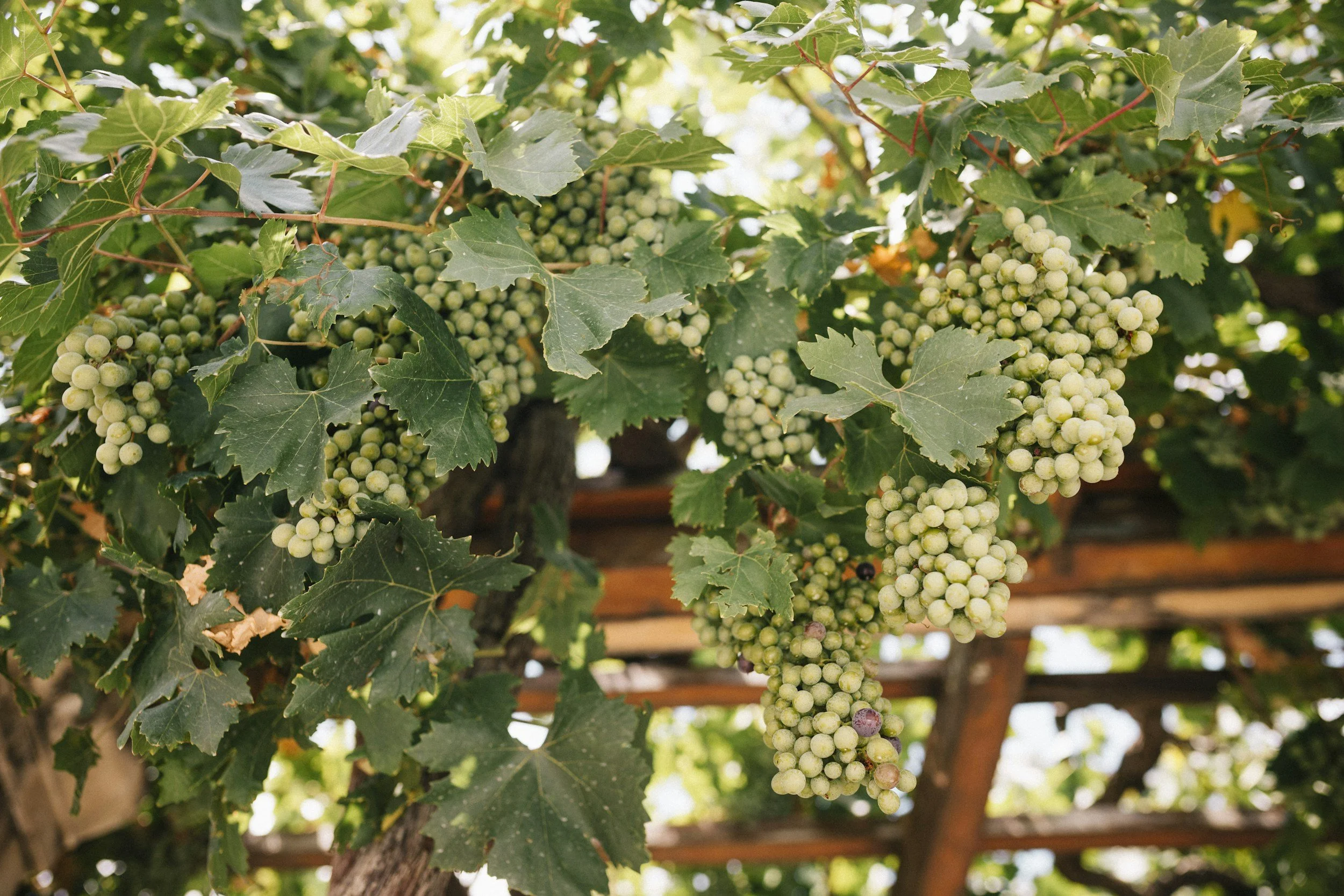
The grace of God has set us free—not to strive under the burden of the law, but to rest in the life of Christ within us. The law, as holy and perfect as it is, was given to reveal the futility of the natural man trying to please God. Grace, however, is given to the spiritual man to allow Christ to live His life through him.

Daily Reflection: The Two-Stage Vision of the Kingdom
In Mark 8, we find two parallel threads woven together: Jesus’ identity as the Messiah and the gradual, sometimes faltering, understanding of His disciples. Through miracles, parables, and direct teaching, Jesus reveals truths about Himself and His mission. Yet, like a person seeing a blurry image come into focus, the disciples only partially grasp who He is and what He has come to do.
This chapter reminds us that the journey of faith often unfolds in stages. Like the blind man healed in two steps (Mark 8:22–26), we, too, may only see partially before the full picture of God’s kingdom comes into focus.
Lamentations 1: A Yoke Too Heavy to Bear
“How deserted lies the city, once so full of people! How like a widow is she, who once was great among the nations! She who was queen among the provinces has now become a slave."
— Lamentations 1:1
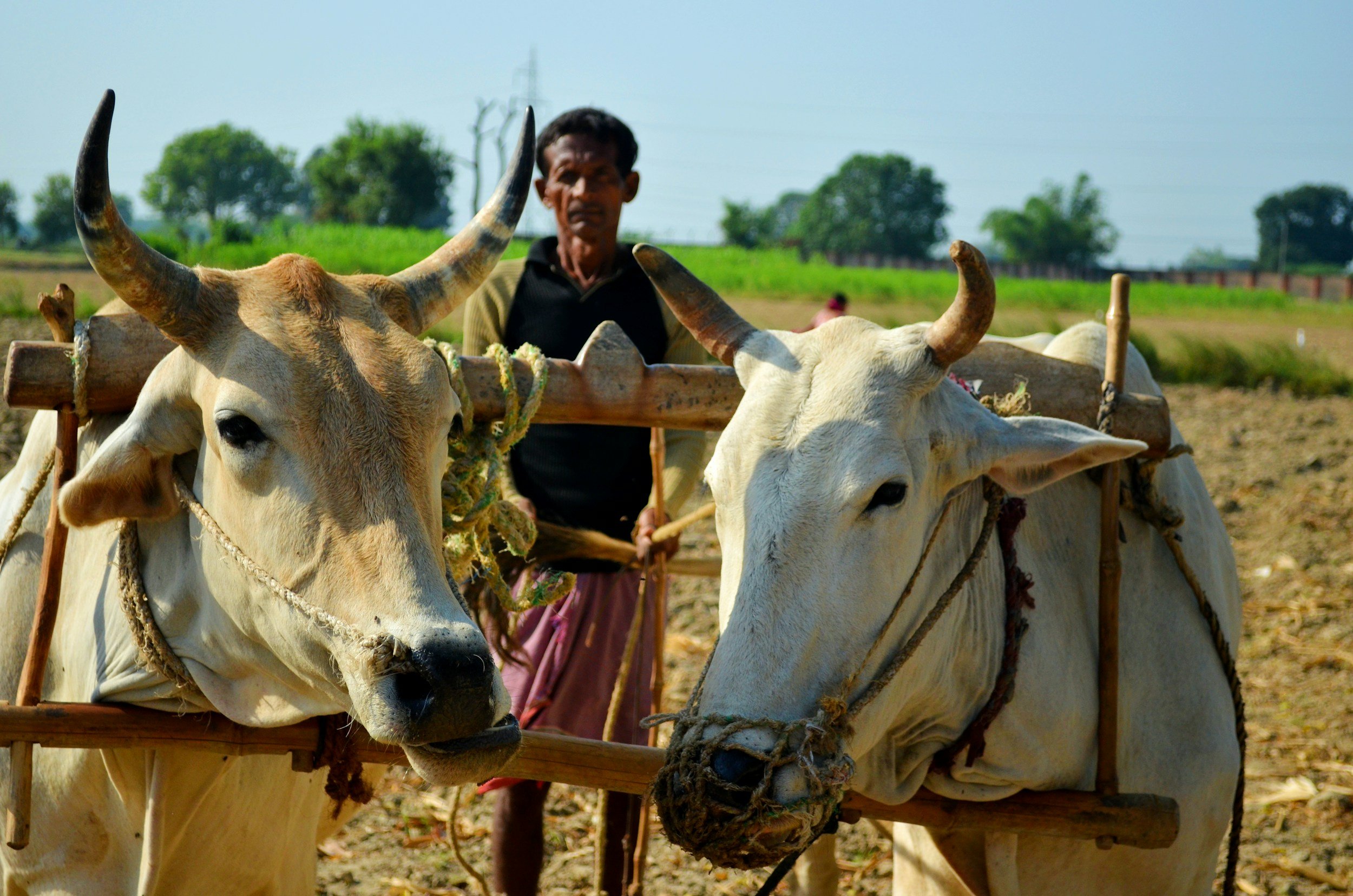
The opening chapter of Lamentations paints a picture of devastating loss. Jerusalem, once vibrant and revered, is now desolate, a shadow of her former self. The city is personified as a widow, mourning her unfaithfulness to God and the consequences that followed. Her suffering is undeniable, her guilt immense, and her cry for mercy deeply moving.

Lamentations: The Song of Sorrow and Hope
The book of Lamentations is a haunting melody of grief and resilience, written in the aftermath of Jerusalem's devastating destruction in 586 BC. It gives voice to the heartache of God’s people, their confessions of sin, and their longing for restoration. This collection of five poems serves as a mirror of the Israelites’ pain, each lament reflecting the depth of their suffering and their dependence on God.
The structure of Lamentations is intricate, with four of its five chapters written as alphabetic acrostics—beautifully ordered expressions of deeply chaotic emotions. This literary device serves not only to organize grief but also to instruct, showing how lament can guide the soul toward truth even in the darkest moments.
Unshaken Love: A Reflection on Song of Solomon 6:1–7:10
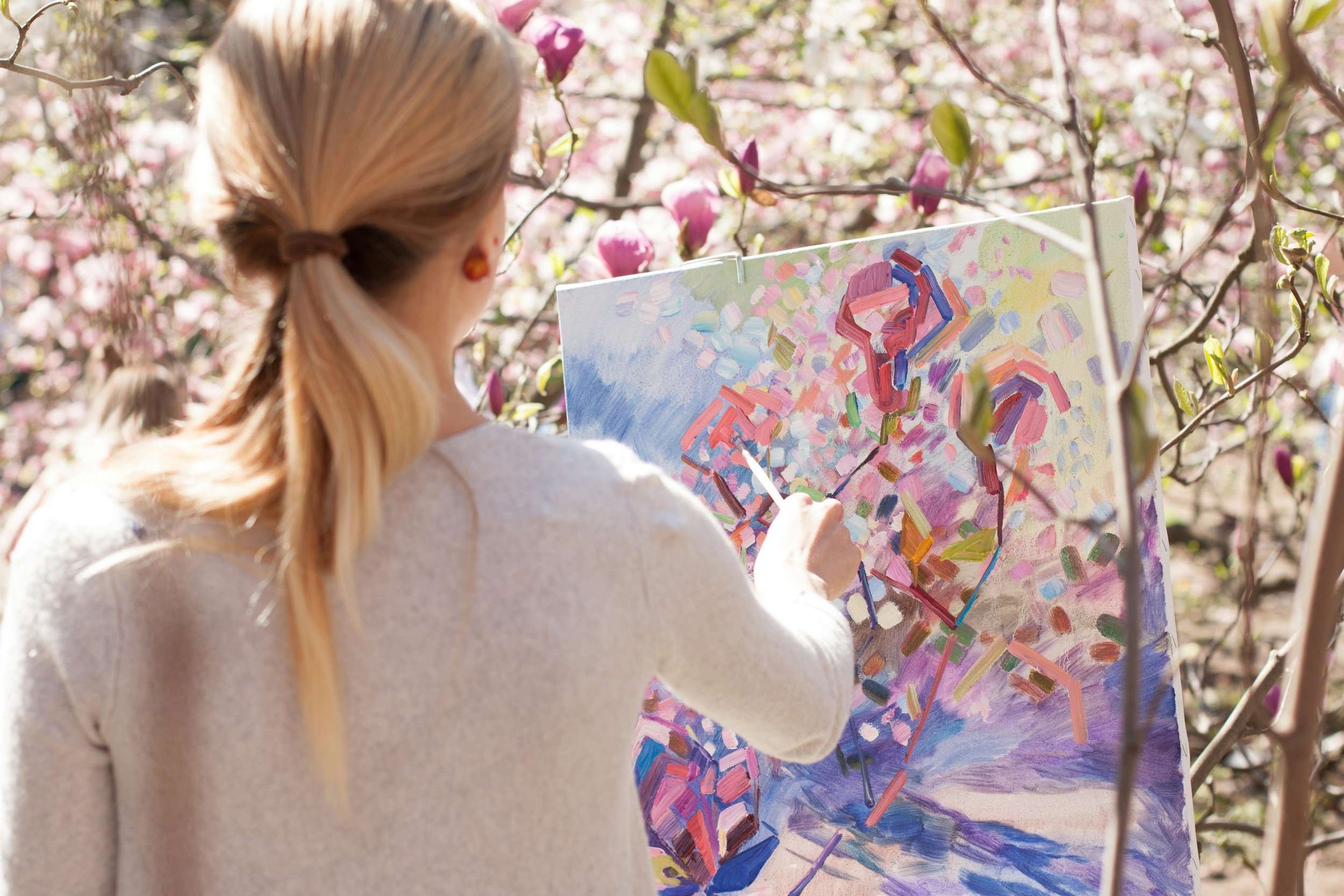
In Song of Solomon 6:1–3, the woman’s admiration for her beloved compels others to want to see and know him. She confidently speaks of their unwavering commitment, even amid trials. As the chapter unfolds, the man’s words reveal his deep adoration for her. His descriptions move from her face and hair to a detailed depiction of her entire being in 6:13—7:10. This poetic imagery is not just about physical beauty but also about their deep, reconciled love—a love that grows richer over time.
This passage portrays the intimacy and joy of a covenant relationship, mirroring the relationship between Christ and His bride, the Church. Like Solomon's bride, we are wholly known, cherished, and desired by Christ. He sees us not as flawed or distant but as beautiful and fully His.
