RCC Catechism Study Series, Mary, Part 2: Mother Of God, What The Title Protects And What It Does Not Add
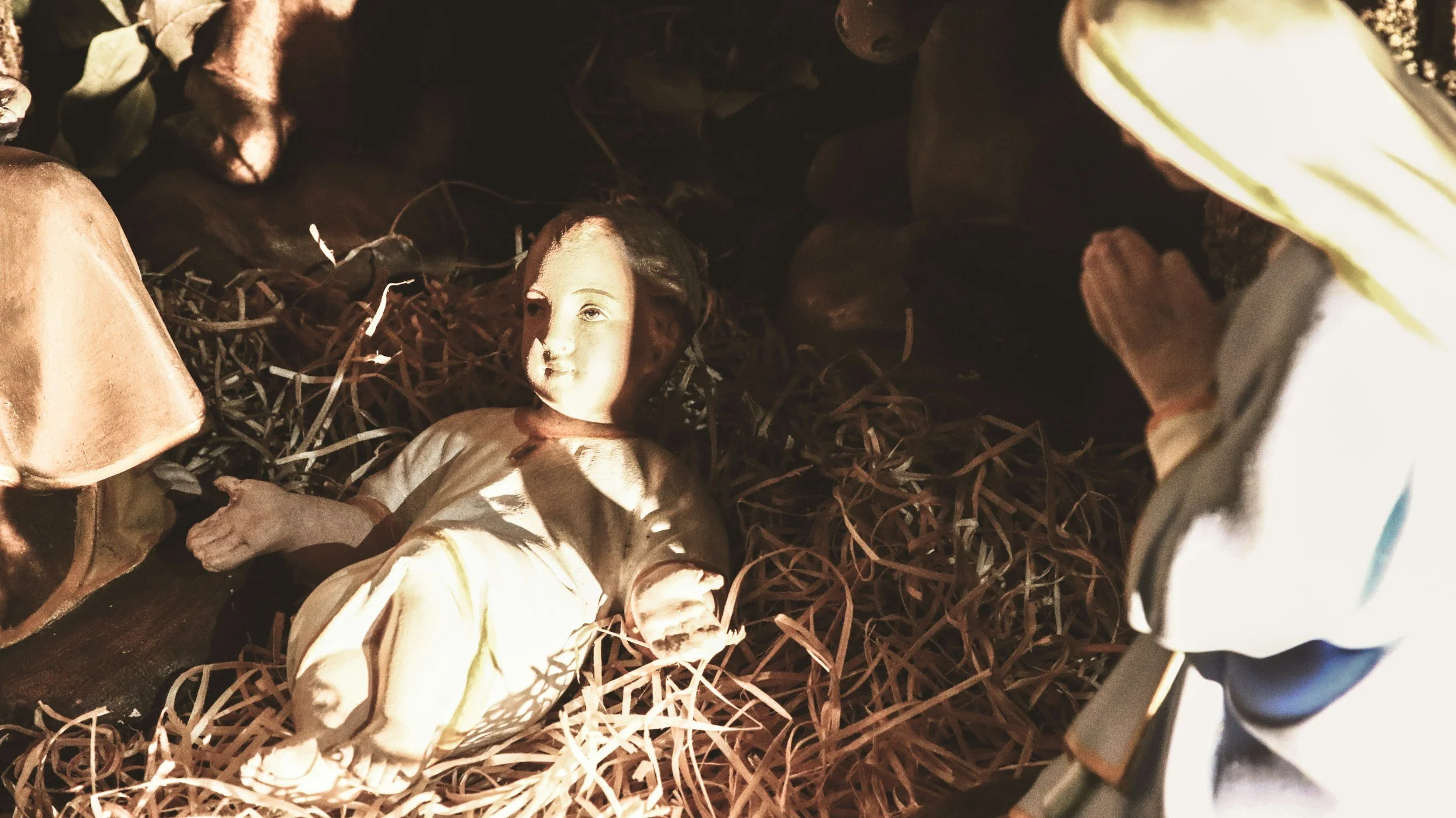
The child is Lord, God with us, the Word made flesh, and our confidence rests in who Jesus is.
Devotional Credit: Rooted in Christ Journal, RCC Catechism Study Series, Mary, Part 2
Photo Credit: Unsplash
Some doctrines feel like a warm blanket. Others feel like a fence around something precious. The title Mother of God is a fence. It is not mainly meant to elevate Mary. It is meant to protect Jesus.
That might sound surprising at first, because the phrase can feel intense. If a person has not heard it often, it can even sound as if it places Mary above what Scripture intends. But when the church first used this language, the main concern was Christology, who exactly is Jesus. Is He truly God. Is He truly man. Is the One in Mary’s womb the eternal Son in real human flesh, or is He something less.
The Catechism summarizes this point by turning to Luke 1. Elizabeth, filled with the Holy Spirit, calls Mary the mother of my Lord. That moment is easy to pass over, but it is loaded with meaning. Elizabeth is not only showing respect. She is speaking by the Spirit. And her word Lord is not a casual title. Luke is writing to show us that the promised Messiah is also the Lord of Israel, the One who brings God’s salvation to His people. So Elizabeth is confessing something about the child, even before His birth. The child Mary carries is her Lord.
Then John 1 expands the horizon. The Word was with God, and the Word was God. The Word became flesh and dwelt among us. That is the heart of Christmas, not sentiment but miracle. The eternal Son, fully divine, took on real humanity. He did not pretend to be human. He became human. He did not merely visit a human body. He took flesh.
Colossians 2 says it with breathtaking clarity. In Him the whole fullness of deity dwells bodily. Not partly. Not temporarily. Not as a mask. Bodily. Meaning the man Jesus is not a second rate lesser being. He is God the Son in real human nature. This is what the title Mother of God is guarding.
So here is the careful biblical meaning. Mary is the mother of Jesus according to His human nature. She is not the source of His deity. She did not generate the eternal Son. God has no beginning. Mary is a creature. The Creator is not dependent on His creature for existence. Yet the child she bore is not a mere human person who later received God. The child she bore is the eternal Son who became flesh. That is why the term Mother of God can be understood as a true statement about who Jesus is, not a statement about Mary being divine.
This is where the title is helpful and where it can be misused. It is helpful when it keeps Jesus whole, fully God and fully man, one person, not split into two. It is misused when it becomes a springboard to elevate Mary beyond Scripture, or when devotion drifts from honoring Mary’s faith to depending on Mary for what only Christ provides. Scripture honors Mary. Scripture blesses her. Scripture also keeps the center of gravity on the Son.
So if you are reading this as a Protestant and you stumble over the phrase, you can receive its best intention without adopting every later development built upon it. You can say, yes, the One Mary bore is truly God in the flesh. And if you are reading this as a Catholic, you can rejoice that the title ultimately exists to protect the glory of Jesus, not to distract from Him. Either way, the goal is the same. We confess that the baby in the manger is the Lord. We worship Him. We rest in Him. We live from Him.
Journal Entry – Voice of the Holy Spirit Through Scripture
Look at My Son. Do not reduce Him. Do not divide Him. The One born of Mary is not a mere man who later became something more. The Word was with God and the Word was God, and the Word became flesh.
Elizabeth spoke by My Spirit when she called Mary the mother of my Lord. She recognized that the child in the womb is Lord, not only a future teacher, not only a future prophet, but the Lord who comes to save.
In Him the whole fullness of deity dwells bodily. This is not a poetic exaggeration. This is your stability. God has come near without ceasing to be God. The Son has taken real humanity without ceasing to be the eternal Son.
So honor what I honor. Mary is blessed because she believed. She is not the source of salvation. She is a recipient of salvation. She rejoiced in God her Savior. Keep your worship where it belongs, on Jesus.
And as you confess who He is, rest. If the One who came for you is truly God in the flesh, then His cross is sufficient. His resurrection is decisive. His intercession is living. Your life is held in Him.
Real-Life Analogy
Think about a signature on a legal document. The paper itself might look ordinary, but the signature settles the matter. It identifies who stands behind the promise. Without the right signature, you are left wondering if the agreement will hold. With the right signature, you know the full authority is present.
The title Mother of God functions like that for the gospel story. It is not mainly about Mary, it is about identifying the One she carried. It is the church saying, the One in the womb is the Lord. The One in the manger is God the Son in flesh. The whole authority of heaven stands behind His saving work.
So when you read Luke’s account, you can turn your heart toward the Lord and say, Lord Jesus, You are truly God with us. I rest my confidence in who You are. Then step into your day with a settled heart, because the One you trust is not limited. He is the Lord.
Prayer of Confidence
Father, thank You that You sent Your eternal Son and that the Word became flesh. Thank You that Jesus is fully God and fully man, one Lord, one Savior, and that His saving work is sufficient.
Lord Jesus, thank You that You came near in real humanity and that in You the fullness of deity dwells bodily. Thank You for Your mercy, Your finished work, and Your living intercession for Your people.
Holy Spirit, thank You for keeping our hearts anchored in the truth of who Christ is. I rejoice that my salvation rests on the Lord Himself, and I worship Jesus with a steady confidence.
Scripture References for the Voice of the Holy Spirit Through Scripture Section
Luke 1:39-45, Luke 1:43, John 1:1-14, Colossians 2:9, Luke 1:46-47