From Shouting Across the Jordan to Standing Beside the Traveler
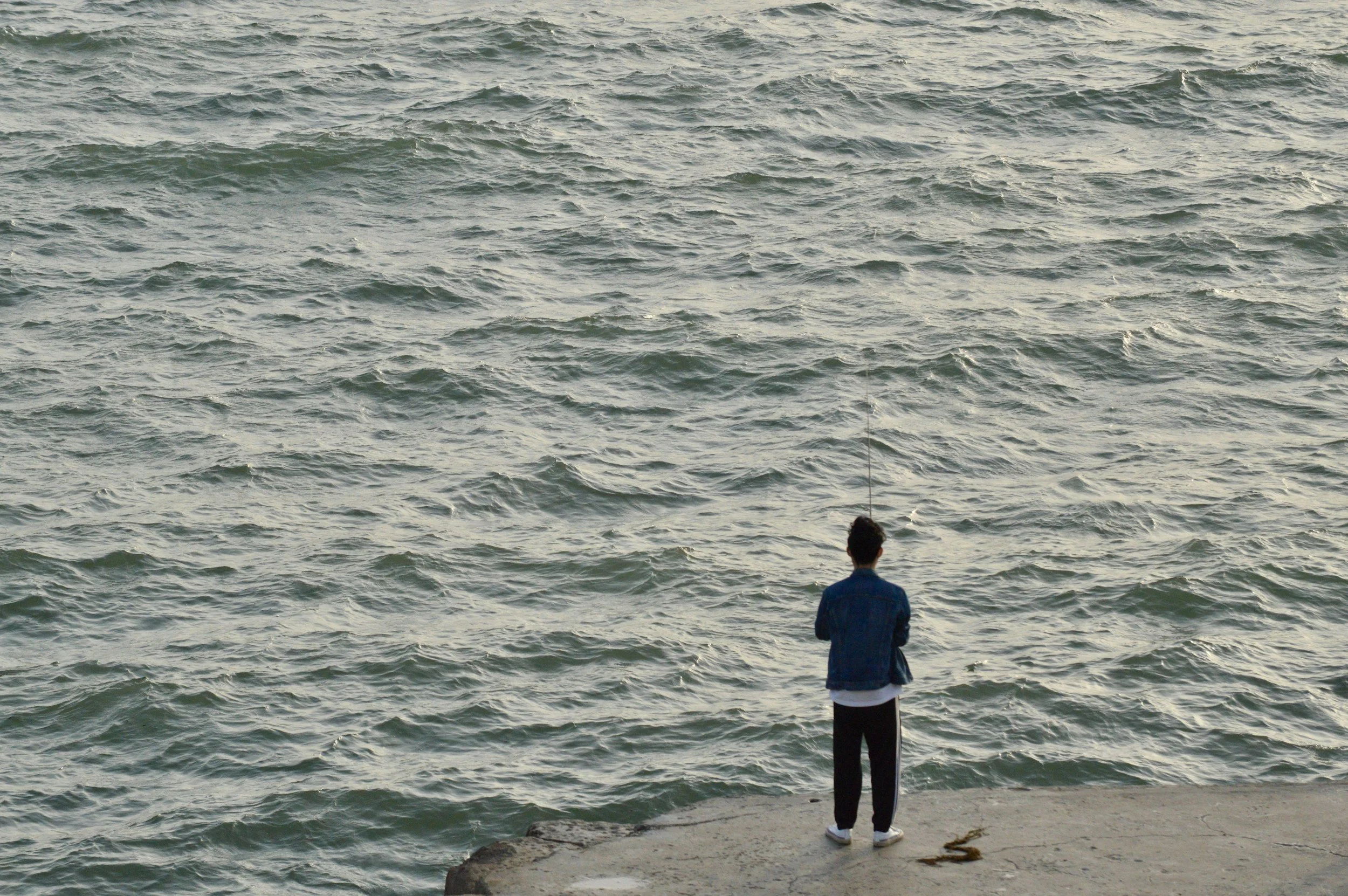
Sometimes guidance means stepping back into the river, not calling from the shore.
Every guide who walks with others into the exchanged life eventually encounters the same quiet tension.
The truths are clear.
The Scriptures are open.
The land of rest is real.
And yet the person we are guiding remains weary, hesitant, or unable to step into what we see so plainly.
Early on, many of us assume this means we need to explain the truth more clearly. We point more emphatically to Romans 6. We speak with confidence about death with Christ and life in Him. We describe the peace and freedom of rest.
Without realizing it, we are shouting from Canaan.
The message is true.
The intention is loving.
But the posture is misplaced.
Remembering the whole story
Israel’s journey helps us here, not as a technique, but as a reminder of how God works.
Slavery in Egypt was not ended by Israel’s resolve. God acted. He broke the chains they could not break. At the Red Sea, Israel did not engineer deliverance. God parted the waters, and they walked through into freedom.
That crossing corresponds to what happened when we were united with Christ. Our deliverance from Adam, from sin’s dominion, and from condemnation was God’s work, not ours.
But Scripture is equally honest about what followed.
Israel did not immediately enter rest. They wandered in the wilderness, learning again and again that self-effort could not produce what only God could give. The desert did not cancel God’s promise. It exposed the limits of human strength.
Many believers live here for a long time. Romans 7 gives voice to this experience. The desire for good is present, but the power to live it out is not. The law is known, but rest is elusive.
Guides who forget this wilderness often grow impatient with those still living it.
Why shouting from the far side does not help
When we shout from Canaan, we speak from appropriation rather than remembrance.
We say things like:
This is already true of you.
You do not need to try.
Just rest.
All of that is correct. And yet it often lands as pressure rather than relief.
Why?
Because the Jordan is not crossed by explanation.
Israel did not enter the land because Joshua explained it better than Moses. They entered because God acted again.
When the priests stepped into the Jordan, the river did not slowly recede through human courage. God stopped the flow at Adam. The old source was cut off. The way into rest opened because God removed what stood in the way.
That detail matters.
The Jordan did not ask Israel to become braver. It asked them to trust that God would do what only He could do.
Standing in the river as a guide
A guide who stands in the river has not forgotten Canaan. They have simply not forgotten the crossing.
They remember that the wilderness was not rebellion, but learning.
They remember that frustration did not disqualify Israel.
They remember that rest was entered when God acted, not when Israel perfected faith.
Standing in the river looks very different than shouting from the shore.
It sounds like:
Yes, this is hard.
It makes sense that rest feels unfamiliar here.
This does not mean you have missed something.
I remember this place.
Notice what is absent. There is no urgency. No fixing. No demand for insight.
The guide is not trying to move the person across the Jordan. The guide is trusting God to stop the river.
Trusting God with the crossing
This posture requires real faith from the guide.
Faith that the Holy Spirit knows how to bring truth from knowledge into lived reality.
Faith that union with Christ is not fragile.
Faith that rest is not something we produce, but something God brings His people into.
Guides who shout often do so because they fear delay. Guides who stand have learned that delay is often disguise. God is working where no visible progress appears.
A word to fellow guides
If you recognize yourself as someone who has shouted from Canaan, do not condemn yourself. That impulse usually comes from gratitude and joy. You have seen the land, and you want others to share it.
But maturity in guiding looks like learning when to step back into the river.
It means speaking less from arrival and more from accompaniment.
Less from what you see now and more from what you remember then.
And sometimes the most faithful guidance is not pointing to the far shore at all, but quietly standing beside someone and trusting God to stop the waters in His time.
The Jordan is not crossed by persuasion.
It is crossed by God.
And He has never failed to bring His people into rest.