

A Personal Journal of Grace and Discipleship
“I have been crucified with Christ and I no longer live, but Christ lives in me. The life I now live in the body, I live by faith in the Son of God,who loved me and gave himself for me.” - Galatians 2:20

From the blog
The Exchanged Life: Finding Freedom and Wholeness Through Spirituotherapy
In a world filled with competing counseling models, it’s not uncommon to find contrasting views on what “biblical” or “Christian” counseling truly means. Searching for answers can feel overwhelming, and the terms alone—“biblical counseling” versus “Christian counseling”—can spark endless debates on how, or whether, secular counseling methodologies fit within a Christian framework.

What Are You Working For?
"Do not work for food that spoils, but for food that endures to eternal life, which the Son of Man will give you. For on him God the Father has placed his seal of approval."
— John 6:27
We often find ourselves consumed by the daily grind—working hard to provide for our families, seeking security, comfort, and stability. These things are necessary, yet Jesus challenges us with a deeper question: What are you truly working for?
The crowd that followed Jesus after the feeding of the five thousand wanted more bread, more signs, more comfort. But Jesus redirected their focus from temporary satisfaction to eternal fulfillment. He wasn’t dismissing the importance of physical needs but pointing to a far greater need—a hunger of the soul that only He can satisfy.

The Unshakable Faithfulness of God: Grafted by Grace
"Oh, the depth of the riches and the wisdom and the knowledge of God! How unsearchable are his judgments and how inscrutable his ways!"
— Romans 11:33
In Romans 11, Paul reveals the astounding faithfulness of God toward both Israel and the Gentiles. Israel’s rejection of the gospel was not the end of God’s plan but a divine turning point, opening the door for Gentiles to be welcomed into God’s family. Yet, even in their disobedience, God has not abandoned Israel. His promises to them stand firm, and Paul affirms that in God’s perfect timing, all Israel will be saved.
Paul uses the image of an olive tree to explain how God is working through history. Israel, the natural branches, were broken off due to unbelief, and Gentile believers, like wild branches, were grafted into God’s covenant family. Yet God’s grace remains open to graft back in the natural branches if they turn to Him in faith. This imagery beautifully reflects the inclusive, merciful heart of God—welcoming all who believe into His covenant, Jew and Gentile alike.

Listening Well and Trusting Deeply: Embracing the Word and the Storm
"He who has ears to hear, let him hear."
— Mark 4:9
In Mark 4, Jesus weaves together parables and real-life experiences to challenge His followers to listen well and trust deeply. From the Parable of the Sower to the calming of the storm, we are invited to examine not just how we hear God's Word, but how we respond when life becomes turbulent.

The Certainty of God's Justice and Sovereign Rule
Throughout Jeremiah 49, we witness God’s sovereign hand of justice moving decisively across nations—Ammon, Edom, Damascus, Kedar, Hazor, and Elam. Each nation had exalted itself in pride, false security, and trust in foreign gods, encroaching on lands and people that belonged to the Lord. Their actions were not merely political; they were spiritual defiance against God’s rule.
The Ammonites had seized Gad’s land, claiming territory that belonged to Yahweh’s people, inviting judgment upon their capital, Rabbah. Edom, once celebrated for its wisdom, was reduced to foolishness, its strength no match for God’s decree. Like an eagle swooping down to snatch its prey, God’s judgment would come swiftly and inescapably upon them.
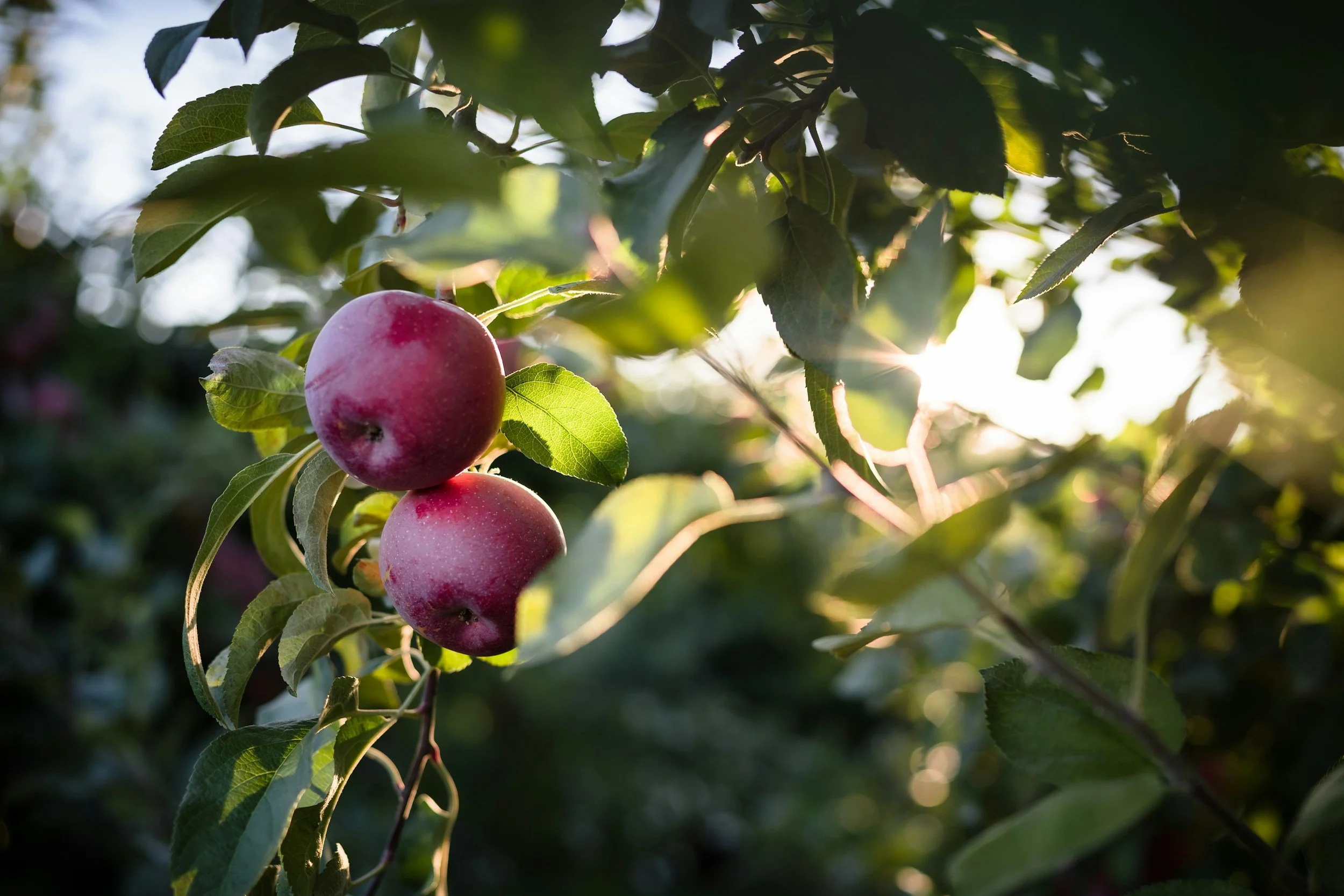
Delighting in God’s Gift of Love and Commitment
"Like an apple tree among the trees of the forest, so is my beloved among the young men. I delight to sit in his shade, and his fruit is sweet to my taste."
— Song of Solomon 2:3
The Shulammite’s words beautifully capture the safety, delight, and sweetness she finds in her beloved. Her comparison of him to an apple tree among ordinary trees reveals how rare and refreshing genuine love can be. Just as a fruitful tree offers shade and nourishment in a dense forest, true love provides shelter, joy, and fulfillment in the midst of life’s demands.
This imagery invites us to reflect on the design of marital love—a love both deeply pleasurable and securely rooted. The trust and intimacy the Shulammite expresses stem from a bond built on commitment and mutual delight. She feels secure in his presence, savoring the sweetness of his love and anticipating the intimacy they will fully enjoy in the proper time.

The Glory of God’s Dwelling: A Foreshadowing of His Eternal Presence
The temple's dedication in 2 Chronicles 5 was a breathtaking moment in Israel's history. Solomon, fulfilling the charge given by his father David, completed the magnificent temple of the Lord. The ark of the covenant was brought into the Most Holy Place, symbolizing God’s faithful presence among His people. As the priests and Levites raised their voices in unified praise—declaring, “For He is good; His faithful love endures forever” (2 Chron. 5:13)—the temple was filled with the glorious cloud of God’s presence.
This extraordinary moment wasn’t just a historical event; it was a shadow of a far greater glory to come. The temple’s splendor was temporary, but it pointed ahead to a day when God would dwell not in a building made by human hands, but within His people. In the new Jerusalem, there will be no need for a temple, “because the Lord God Almighty and the Lamb are its temple” (Rev. 21:22).

Embracing the Cross: Living in the Freedom Already Won
"Knowing this, that our old self was crucified with Him, so that the body ruled by sin might be rendered powerless, that we should no longer be slaves to sin—because anyone who has died has been set free from sin."
— Romans 6:6–7
The cross of Christ is more than a symbol of forgiveness—it is the very foundation of our freedom. At Calvary, Jesus didn’t only bear the punishment for our sins; He also dealt with the very power of sin itself. Through His death and resurrection, our old self— from which our flesh, our sinful patterns were developed—was crucified with Him. This isn’t merely a theological concept but a living reality for every believer.
Yet, so often we live as though we are still enslaved, striving to overcome sin through self-effort, confessing and falling, spinning endlessly in a spiritual cycle. But God’s provision for victory over sin is not found in trying harder—it’s found in trusting that the work is already finished.

Live Now: Embracing the Abundant Life
"I have come that they may have life, and that they may have it more abundantly."
— John 10:10
Jesus didn’t come merely to offer us eternal security after death; He came to give us life—abundant, overflowing, and vibrant life—right now. This life isn't something we need to wait for or strive to earn. It’s already ours in Christ. Yet, many believers find themselves disconnected from this fullness, weighed down by the past or anxiously looking toward the future.
Imagine standing in a lush, flourishing garden, surrounded by vibrant flowers and ripe fruit. The air is fresh, and everything you need is within reach. But instead of savoring this garden, you keep staring at the worn path behind you or squinting into the distant horizon, missing the beauty and provision right in front of you.

Walking in God’s Purpose: Aligning with His Perfect Will
"For it is God who works in you to will and to act on behalf of His good purpose."
— Philippians 2:13 (BSB)
God’s design for our lives is not a maze of endless options but a singular, purposeful path crafted with care. He does not present us with countless good choices to sift through; rather, He has one best and highest will for each of us. The beauty of walking in God’s will is found in the clarity and confidence it brings. When our steps align with His perfect plan, we move forward with focused energy and divine efficiency.
Much like a river that carves a steady path through the landscape, so too does a life aligned with God’s purpose flow with direction and impact. But when we scatter our efforts like water spilling over rocky ground, our energy dissipates, and little is accomplished. God’s call isn’t for us to guess His will but to recognize that He is already working within us—guiding our desires and actions toward His good purpose.

The Overflow of Devotion: Living Out Our Calling
"But when it pleased God…to reveal His Son in me…"
— Galatians 1:15-16
The call of God is not confined to a specific role, job, or ministry. It is far deeper—it is God revealing His Son within us. From that revelation flows a life of natural, joyful service. We don’t serve God to earn His favor or to fulfill a duty; we serve because His presence within us overflows into action.
Imagine a tree planted beside a flowing river. Its roots are nourished by the constant stream, and as a result, it naturally produces fruit. The tree doesn’t strain to bear fruit; it simply does so because it’s rooted in life-giving water. In the same way, when Christ is revealed in us, our service becomes a natural extension of our life in Him.

Clothed in Righteousness: A Gift Freely Given
"But now the righteousness of God apart from the law is revealed, being witnessed by the Law and the Prophets, even the righteousness of God, through faith in Jesus Christ, to all and on all who believe. For there is no difference; for all have sinned and fall short of the glory of God, being justified freely by His grace through the redemption that is in Christ Jesus."
— Romans 3:21–24
The righteousness of God is not something we can earn, strive for, or achieve through our own efforts. It is a gift—a divine garment woven by grace, freely given to all who place their trust in Jesus Christ.
Imagine standing in a courtroom, guilty of countless offenses, with no defense to offer. Yet, instead of receiving the rightful punishment, the Judge steps down, removes His own spotless robe, and drapes it over you. He declares you innocent—not because of anything you have done, but because He has chosen to bear the penalty Himself.

Restful Activity: Letting God Work Through Us
"In quietness and in confidence shall be your strength."
— Isaiah 30:15
There’s a delicate balance in the Christian life—one that often feels like walking a tightrope between action and rest. The world pushes us to equate constant busyness with productivity, leaving little room for quiet trust. But Scripture tells us that true strength is not found in restless striving but in stillness and confident trust in God.
Isaiah 30:15 draws us back to this truth: it is in quietness and trust that our strength is found. This is not sloth or inactivity, but a Spirit-led rhythm where God's work flows through us. It’s the difference between working for God and allowing God to work through us.

The Nearness of Salvation: Trusting Fully in Christ
"If you declare with your mouth, 'Jesus is Lord,' and believe in your heart that God raised him from the dead, you will be saved."
— Romans 10:9
Paul’s heart aches for his fellow Israelites, longing for them to experience the salvation that is freely available in Christ. They were zealous for God, but their passion was misguided. They pursued righteousness through their own efforts, striving to earn favor through the law instead of receiving the righteousness freely given through faith in Jesus.
This contrast between self-effort and faith is at the core of Paul’s message. The Israelites missed the truth that Christ Himself is the fulfillment—the very goal—of the law. Trying to climb the mountain of God’s righteousness through human effort is like attempting to scale a towering peak with bare hands, only to find the summit was already brought down to us in Christ.

Walking in Obedience: When Faith Requires Sacrifice
"Then he said to the man, 'Stretch out your hand.' He stretched it out, and his hand was completely restored."
— Mark 3:5
Jesus’ healing of the man with the withered hand on the Sabbath was a bold declaration that obedience to God often defies human expectations and societal norms. The religious leaders watched Jesus closely, waiting for a reason to accuse Him. Yet, undeterred, Jesus chose to do good, even though He knew it would fuel the plot against Him. His unwavering obedience to the Father’s will cost Him dearly—drawing Him closer to the cross.

The Fragile Security of the Proud: God’s Sovereign Hand Over Nations
The nation of Moab had grown comfortable in its security—like wine left undisturbed on its dregs, rich in flavor but untouched by refining. For generations, Moab lived without disruption, content in its idolatry and pride, worshiping Chemosh and mocking Israel in its downfall. Yet, God, in His sovereignty, declared that this false security would shatter. Moab would be poured out like wine and its jars broken, exposing the emptiness of its confidence and the fragility of its strength.
This image of wine being poured out speaks to how God interrupts comfort when it becomes a barrier to dependence on Him. Just as wine must be stirred and poured to be refined, so too must nations—and even individuals—sometimes be unsettled to expose misplaced trust. Moab trusted in its gods, its cities, and its own might. But no wall, no deity of stone, and no human strength can stand when God decrees judgment.

Resting in the Delight of Our Shepherd-King
The Song of Solomon begins with an intimate and passionate longing between a bride and her king, Solomon. The Shulammite woman is captivated by his love, comparing it to the richness of wine—something to be savored, deeply enjoyed, and fulfilling. His very presence and name are as pleasing as the finest fragrances, drawing her heart closer to him.
This love, rich with affection and desire, mirrors something far greater: the relationship between Christ and His bride, the Church. Jesus, our Shepherd-King, has pursued us with a relentless love, one that is personal, passionate, and complete. Just as the Shulammite longed for the presence of her beloved, so our souls are designed to long for intimacy with Christ.

The Song of Songs: A Divine Love Story Reflecting Christ's Pursuit of His Bride
There is something timeless and captivating about a love story, and the Song of Songs stands as Scripture’s most beautiful portrayal of romantic love. More than just poetry about human affection, this song lifts our eyes to a greater love—the relentless, pursuing love of Christ for His bride, the Church.
Penned by King Solomon, this lyrical masterpiece celebrates marital intimacy, faithfulness, and devotion. Yet, as with much of Scripture, there is a deeper layer beneath the surface. Solomon, the son of David and a shepherd-king, reflects a greater Shepherd-King: Jesus Christ. Just as Solomon passionately pursues his bride, so does Christ pursue His Church with unwavering love.

Looking for Yourself Out There: Returning to the One Who Fulfills
"Did you miss me while you were looking for yourself out there?"
These lyrics echo a question that many of us have felt deep within—a longing to be remembered and loved by someone who seems distant. Whether it’s a strained relationship or a personal season of drifting from God, this line captures the ache of separation.
Pat Monahan of Train wrote "Drops of Jupiter" after losing his mother, reflecting on the idea that maybe she had gone on a journey beyond this life, discovering the vastness of eternity. But this longing and searching are also deeply human. We all, in one way or another, search for fulfillment, meaning, and identity.

Embracing the Finished Work of the Cross
"I have been crucified with Christ; and it is no longer I who live, but Christ lives in me; and the life which I now live in the flesh I live by faith in the Son of God, who loved me and gave Himself up for me."
— Galatians 2:20 (NASB)
Many of us wrestle endlessly with the grip of self—the persistent patterns of pride, fear, and self-reliance. In response, we may attempt various ways to control or suppress these tendencies: more spiritual disciplines, increased church activities, even personal sacrifices. Yet, these efforts, though well-intentioned, fall short. Why? Because self cannot be reformed or disciplined into submission. It must die.

Living in the Garden of Grace: Roll Back the Stone
"And behold, there was a great earthquake; for an angel of the Lord descended from heaven, and came and rolled back the stone from the door, and sat on it."
— Matthew 28:2
The stone wasn’t rolled away so Jesus could leave the tomb. The risen Christ had already overcome death and the grave. The stone was rolled back so the world could witness that the crucified Savior was alive.
In the same way, our lives are meant to reveal this resurrection power. God has already raised us to new life in Christ. Paul reminds us in Ephesians 2:5-6 that we have been made alive with Christ, raised up, and seated with Him in the heavenly realms. This isn’t a future hope—it’s our present reality.
